Lina Kononenko Back to main

Building UX Guild: seven product areas, one design bar

In 2018, I established and led the Ukrainian chapter of Wix UX Guild, connecting product designers working across seven very different areas of the business. I grew the team from 6 to 17 designers, rebuilt how we hired and onboarded, and shaped a culture of ownership, learning and exceptional craft. The ambition was bigger than growing a team. It was to make great design possible across products, without making every decision depend on one leader.

Wix UX GuildUX Group Lead2018–20229 min read

Role
UX Group Lead,Wix UX Guild
Team
6 → 17 product designers,across 7 product areas
Timeline
2018to 2022
Segment
SaaS,200M+ users
The Wix UX brand artwork: blue, orange, pink and cream shapes around the Wix UX wordmark and a cursor

Impact summary:

We scaled the team and raised the bar together.

  • Team

    ~3×Team growth, from 6 to 17

    Nearly three times the design capacity, supported by shared practices and a stronger professional community.

  • Hiring

    −50%Hiring time, 8 to 4 weeks

    A simpler, more deliberate process, from six interview stages to four.

  • Quality

    7Product areas, one shared standard

    Designers kept ownership in their teams while learning, critique and craft standards connected them.
My role

My role was to grow the people and raise the quality of their work.

Designers belonged to their product teams, but they also needed a professional home. I set the direction for the Ukrainian UX Guild chapter, led the team and its development, and worked across product boundaries to strengthen how design decisions were made. My responsibility had two sides: building the capability to grow, and creating a culture that kept the quality bar high as we did.

Mandate 01

Talent

Build the design capability

17product designers, up from 6

I grew the guild from 6 to 17 designers, but hiring was only the beginning. I reworked the candidate journey with cross-functional partners and designed an onboarding experience that helped people become confident contributors in both the guild and their product teams.

  • Redesigned the hiring processDefined evaluation criteria, clarified each interview’s purpose and reduced six stages to four.
  • Made onboarding workBuilt a guided first month, a shared knowledge base and visible progress for designers and managers.
  • Brought clarity to candidatesImproved communication and made the guild’s expectations and culture clear before joining.
  • Grew the team from 6 to 17Expanded design capacity while protecting the standards and values we hired for.

Mandate 02

Craft and culture

Build a culture of ownership

7product areas held to one design bar

Across Editor, Stores, Wix Data and other product areas, I helped designers make better decisions without adding centralised approvals. I established shared UX standards, coached people through complex challenges, and created the learning and community rituals that made the guild feel like one team.

  • Established a shared design barAligned principles and best practices across distinct product experiences without taking ownership away from teams.
  • Developed people, not only workMentored designers, gave feedback, led reviews and helped teams navigate difficult product decisions.
  • Made learning part of the rhythmRan twice-monthly Guild Days, critiques, workshops, hackathons and cross-discipline sessions.
  • Brought the guild into the communitySupported Fresh meetups so Wix designers could share their expertise and attract outside perspectives.
01 / 02

Problem space

The challenge was not seven products. It was connecting the people behind them.

Wix designers were embedded in products with very different users and priorities. The challenges of Wix Editor, eCommerce and Wix Data were not interchangeable, but the standard of design across the company still needed to be recognisably high.

As the guild grew, each designer needed two things at once: ownership of their product and access to a wider professional team. Hiring alone would not solve slow recruitment, fragmented onboarding, inconsistent practices or the isolation that can happen when designers work in separate teams.

Wix had a global UX Guild across four countries. I established the Ukrainian chapter as a way to turn that larger community into something designers could actually rely on: a place to find guidance, challenge their thinking, develop their craft and belong.

The leadership question: How could we grow design across seven different products while strengthening both ownership and a shared quality bar? My answer: three key decisions

Key decisions

Build the guild into the way great design gets done.

I chose not to centralise every design decision. Instead, I built the structures and relationships that allowed designers to own their work, learn from one another and hold a consistently high bar across the company.

Key decision 1

Treat the designer journey as one system.

Recruitment, onboarding, development and culture had to work together. I connected them deliberately, so the experience we promised candidates continued after they joined.

  1. 01

    HiringBring in people with strong judgment
  2. 02

    OnboardingGive them a clear start
  3. 03

    StandardsCreate shared expectations
  4. 04

    LearningKeep the bar alive as the team grows

Hiring removed friction at the door. Onboarding, standards and learning made the investment in every new designer more valuable over time.

Traded
Disconnected improvements to individual processes
Gained
A coherent experience from candidate to established designer
Result
A team able to grow without rebuilding every process each time

Key decision 2

Keep product ownership local. Share the standards.

I wanted designers to feel accountable to their product teams, not dependent on a central approval queue. My job was to build the shared principles, critique and coaching that improved their judgment.

Traded
A single leader signing off every important decision
Gained
Autonomy in products, with a common language for quality
Result
Shared UX expectations across seven product areas

Key decision 3

Make culture something people practise.

Guidelines alone would not create a community. I made space for regular critique, teaching, experiments and informal connection, and opened the guild to the wider design scene.

Traded
More calendar time reserved for learning and feedback
Gained
A dependable space to teach, challenge and learn together
Result
Twice-monthly Guild Days and a broader design community

Systems and impact

The work behind the culture

I turned the strategy into practical systems that designers felt at every stage of their journey, from the first interview to their next big challenge. Here are five places where that leadership became tangible.

01 Impact area · Recruitment

Make hiring faster and more intentional

Our recruitment process took six interview stages and an average of eight weeks. I worked with stakeholders to define what each conversation needed to assess, align on clear criteria and remove duplication. We went from six stages to four, reduced the process to four weeks and made communication with candidates more deliberate.

−50%
Time to hire
6→4
Interview stages

02 Impact area · Onboarding

Help designers belong and contribute sooner

Joining Wix meant entering two worlds at once: the product team and the global UX Guild. New designers had to navigate scattered information and numerous stakeholders. I built a structured, task-based journey: an onboarding guide, a shared UX knowledge base and a personal progress board, with support from a buddy and manager.

4 wks
Guided first month
30+
Product teams it adapted to
  • UX Guild

    • Getting to know Wix
    • Design process
    • Meeting guild stakeholders
    • Guild infrastructure
    • Wix products deep dive
    • The way of doing UX at Wix

    Product team

    • Product deep dive
    • Meeting the team
    • Product documentation
    • Team process and ops
    • Product exploration
    • Onboarding task

    Two onboardings, one plan

    The guild gives the common foundation; the product team adds its context.

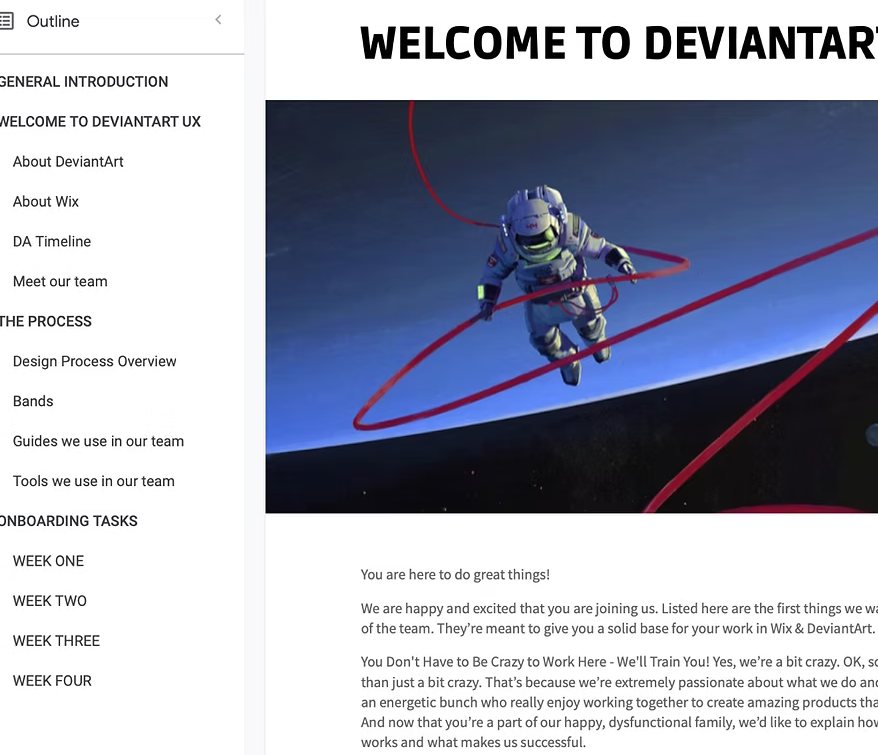
  • The onboarding guide: an outline with the process and week-by-week tasks

    Step 1 · Onboarding guide

    One document for the first month: a welcome, our design process and a four-week plan.

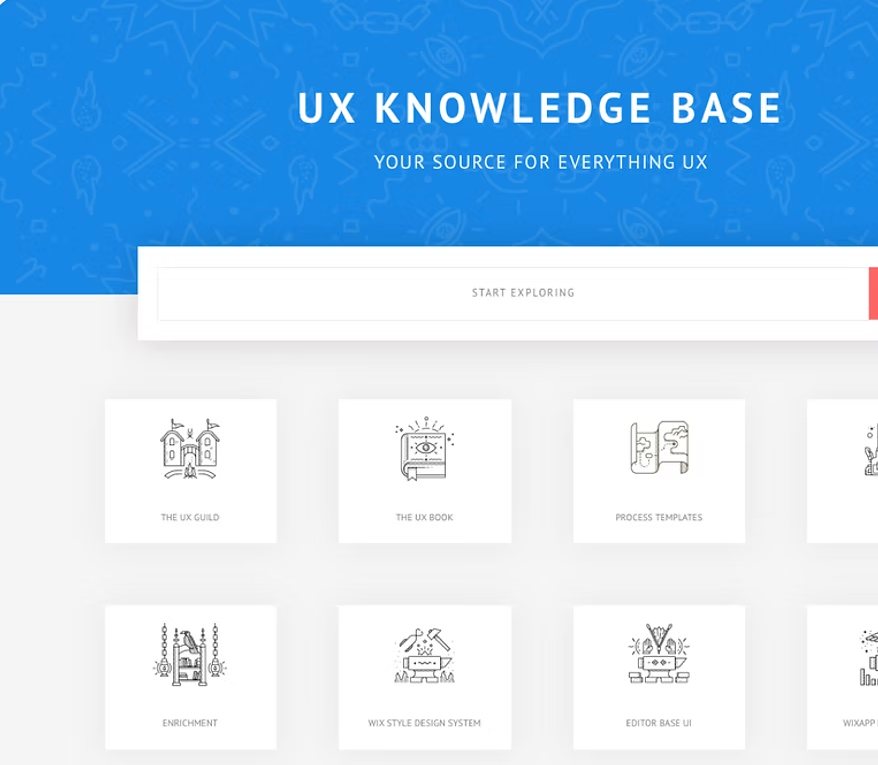
  • The UX Knowledge Base home page

    Step 2 · Knowledge base

    A hub for every part of the product design role, built as a cross effort of the whole guild.

  • A newcomer’s onboarding board with weeks one to three of tasks

    Step 3 · Onboarding system

    A personal board per newcomer, with a buddy and a design manager, so progress is visible to everyone.

03 Impact area · Design management

Raise the design bar without taking ownership away

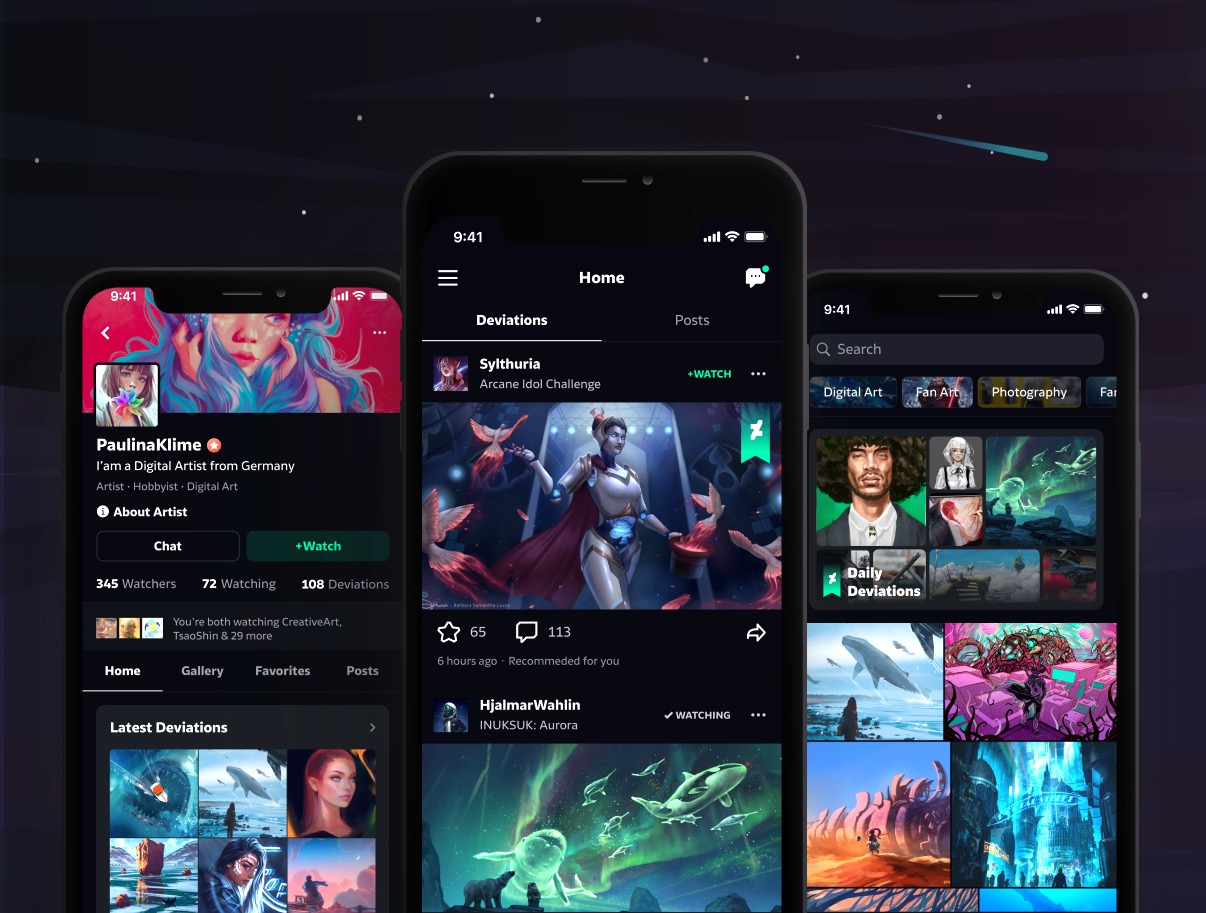
I supported 17 designers across Wix Editor, Premium Services, Stores, Online Programs, Wix Data, Groups and DeviantArt. I aligned standards and practices, helped teams apply UX guidelines, mentored designers and joined the difficult product conversations where experience and judgment mattered most.

7
Product areas
17
Designers
  • One guild, seven product areas. Designers stayed in their product teams; the guild owned the bar across all of them.

04 Impact area · Learning and culture

Make learning and critique a habit

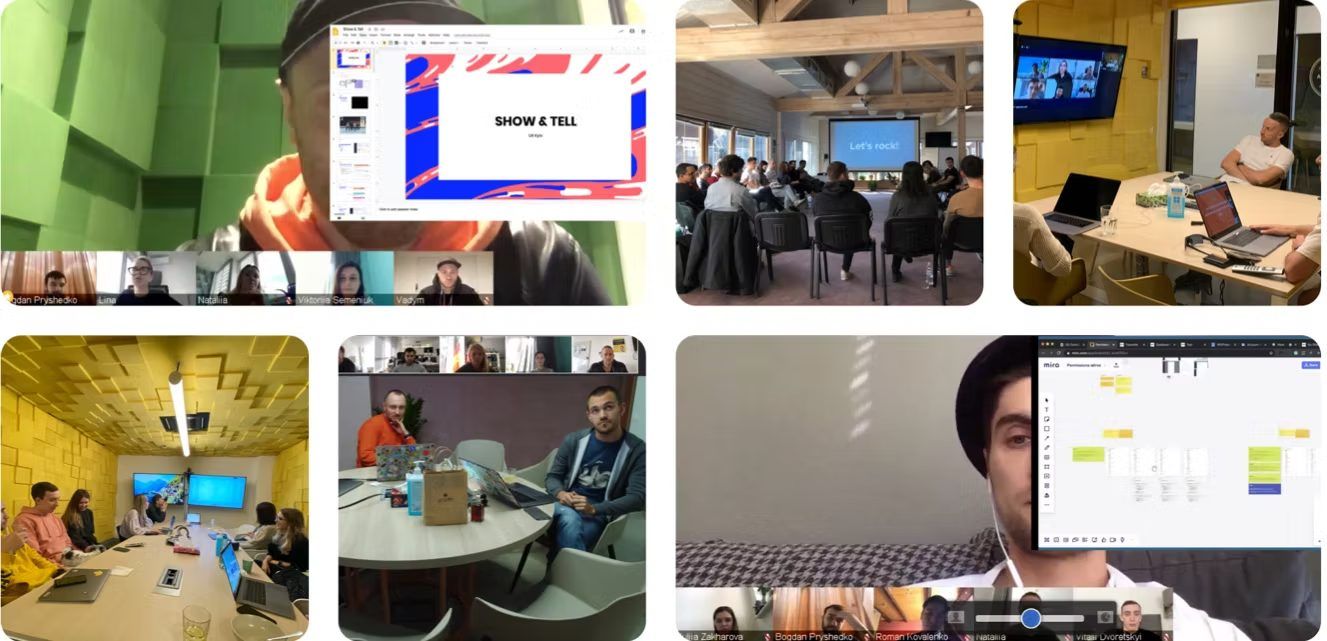
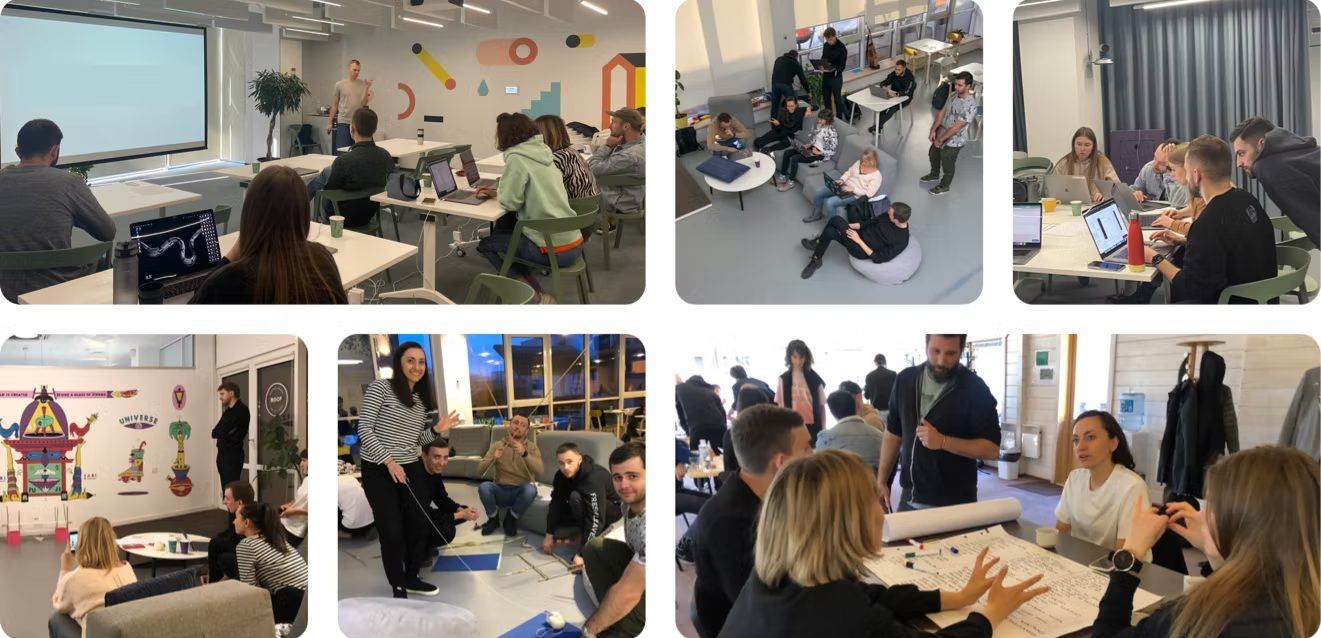
I ran UX Guild Day twice a month, bringing together designers to share work, debate decisions and learn from one another. Workshops, training, guest speakers, cross-guild sessions and hackathons created space to build craft beyond the immediate demands of product delivery. We also made room for fun, because belonging matters.

2×
Guild Days a month
~24
Guild Days a year
  • UX Guild Day sessions: presentations, show and tell and remote participants

    UX Guild Day

    Critique, case studies and cross-guild sessions, twice a month.

  • Workshops and training sessions in the Wix office

    Workshops and training

    Research, interaction design, IA and usability testing, led by experts and guild members.

  • Designers working together at a hackathon

    Hackathons and challenges

    Mixed teams, one problem, a limited timeframe, outside the roadmap.

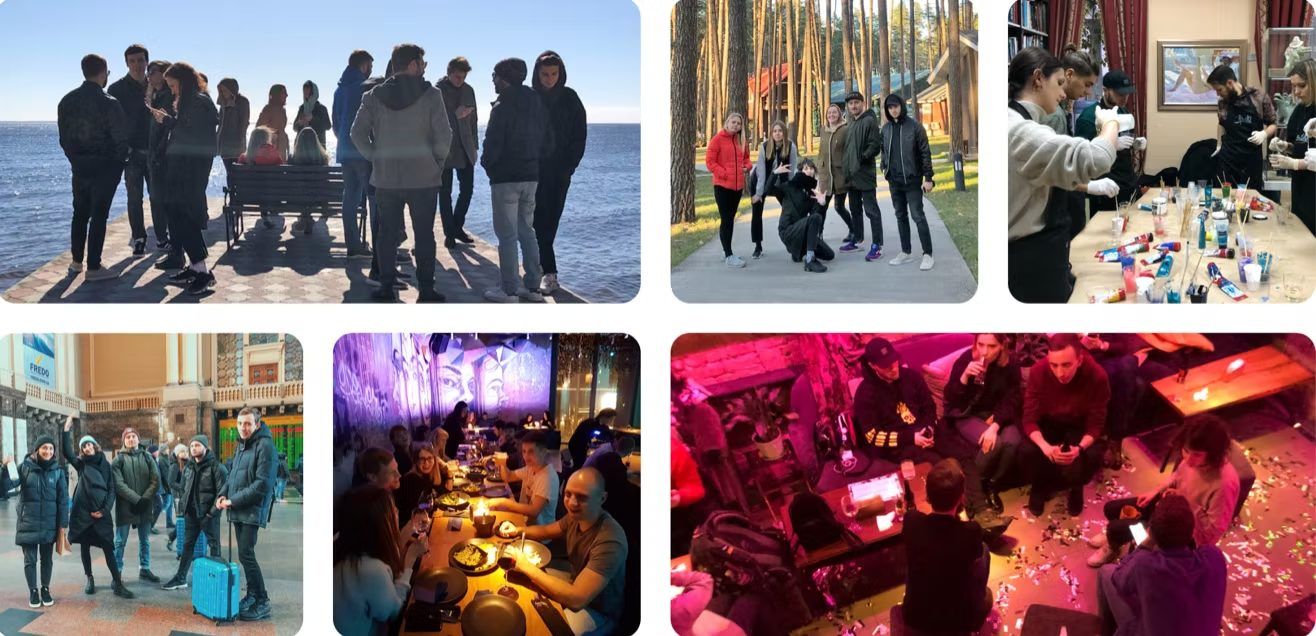
  • Guild team events: trips, dinners and celebrations

    Team events

    Celebrating milestones and wins, and knowing each other across products.

05 Impact area · Community

Give our designers a voice beyond Wix

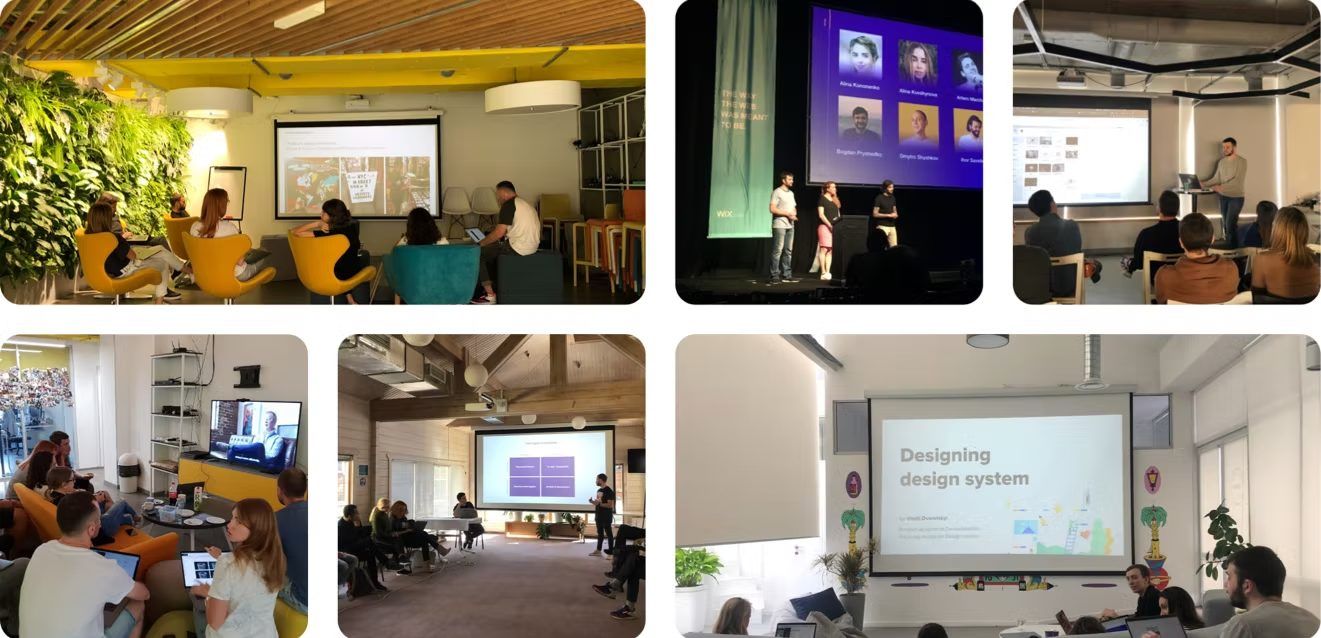
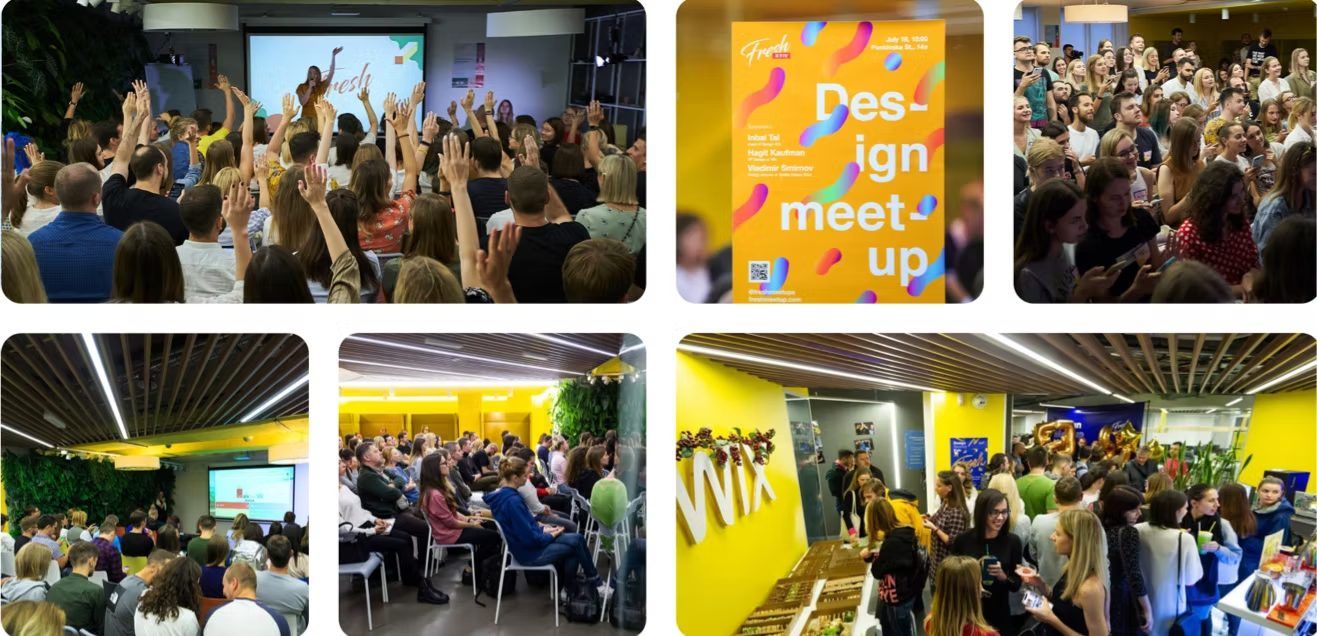
I helped build the guild’s connection to the Ukrainian design community through Fresh, a recurring series of public product design meetups. Wix designers shared the stage with external experts, brought new thinking back into the team and showed future colleagues the kind of professional community they could join.

3
Meetups a year
10
Events in total
  • Fresh product design meetups: full rooms, a Design meetup poster and speakers on stage

    Fresh meetups. Wix designers and industry experts on one stage, for the wider design community.

    • Give backMake an impact on the local design community
    • Join the local sceneIntegrate Wix into the local market
    • Spotlight our designersGive Wix product designers a stage
    • Attract talentMeet top designers who share Wix’s values

Results

Stronger design capacity. A culture that reached across products.

The visible results were a team that grew from 6 to 17 and a hiring process that took half the time. The organisational result was broader: designers in seven product areas had a shared language for quality, a clearer start at Wix, and regular places to develop their work and one another. I would not attribute Wix-wide product KPIs to the guild alone; this is a case about building the capability behind better product work.

The guild, 2018–2022

UX Group LeadMe

  • Wix EditorMain product
  • Premium ServicesProduct design
  • StoreseCommerce
  • Online ProgramsProduct design
  • Wix DataCMS
  • GroupsSocial networking
  • DeviantArtSocial networking

17 designers 7 product areas

  1. Recruitment

    Hiring time cut in half

    What changedThe eight-week average hiring process became four weeks.

    A clearer decision at every stage and a better candidate experience.

    8→4weeks to hire

  2. Onboarding

    A more confident start

    What changedNew designers had one guided journey across guild and product team.

    People had an understandable first month, with support and visible progress.

    3connected onboarding tools

  3. Design management

    Quality across seven products

    What changedSeven product areas shared a stronger, more consistent UX bar.

    Designers could make decisions locally while learning from the wider guild.

    7product areas

  4. People

    Growth beyond one manager

    What changedSeventeen designers had regular mentorship and feedback.

    Support extended beyond immediate delivery and individual product teams.

    17designers supported

  5. Learning

    Learning built into work

    What changedGuild Days became a twice-monthly part of the working rhythm.

    Critique, teaching and experimentation had protected space to happen.

    2×Guild Days each month

  6. Community

    Design community beyond Wix

    What changedFresh connected Wix designers to the local professional community.

    Our people could share their expertise and bring outside perspectives back.

    Freshpublic design meetups

Team growth

From 6 to 17 designers, with a stronger system behind them.

Growth is a team result. My leadership contribution was making it easier to find great designers, welcome them well and support their judgment across products as the organisation expanded.

6→17

~3×
Team size
−50%
Time to hire
−2
Interview stages

Wix’s 200M+ users are platform context, not a measured outcome of this work. The quantifiable results here are team growth and improvements to the hiring process.

Reflections

The most important thing I built at Wix wasn’t a product. It was a culture.

I started with the ambition to grow a strong design team. What this chapter taught me was how much more design leadership can change. My job was not to have the best answer in every review. It was to bring in exceptional people, give them meaningful ownership, and create the trust and shared standards that helped them make better decisions together.

The growth from 6 to 17 matters. But what I remember most is seeing designers teach one another, challenge ideas openly, take on bigger responsibilities and make the guild their own. Building that environment changed how I lead, and remains one of the most rewarding parts of my career.

Key learnings

  1. Culture is something you design.Every interview, first week, critique and feedback conversation teaches people what a team values. I learned to be as intentional about those experiences as I am about a product.
  2. Give teams ownership. Give them a shared bar.Seven product areas needed seven different solutions, not seven sets of standards. My role was to strengthen the judgment behind decisions rather than become another approval step.
  3. The talent experience starts before day one.Cutting hiring time from eight to four weeks taught me that speed, clarity and respect for candidates are part of the culture we are inviting them into.
  4. Great onboarding turns complexity into confidence.People joined both a product team and a guild. Giving them a clear path and real human support helped them understand where to contribute and who they could learn from.
  5. Make room for growth in the calendar.Twice-monthly Guild Days made critique and knowledge sharing a practice, not an intention. Repeated moments of learning are what keep standards alive.
  6. Serious craft and a playful culture belong together.We made space for hard feedback, experimentation, community and fun. I learned that people contribute more of themselves when a team feels like somewhere they belong.

Next case study

Keep reading.

DeviantArt mobile

2020–2022 · 12 min read

DeviantArt · Head of Design

Redesigning DeviantArt mobile and reigniting growth

I initiated DeviantArt’s return to native mobile, built the mobile design team and led the full redesign of both apps. Engagement grew 120%, four times the target, and mobile became the platform’s best-converting channel.

  • Design strategy
  • Business growth
+120%Engagement volume
+75%Daily active users
3×New-to-engaged

Head of DesignDeviantArt · Head of Design

DeviantArt · Head of Design